Table of contents
Exploring Japan’s public transportation network can feel overwhelming for newcomers, but mastering its intricacies unlocks a whole new level of travel freedom. Efficient, punctual, and meticulously organized, Japan's trains, subways, and buses will take you almost anywhere—if you know how to use them like a local. Dive into the following sections to uncover expert strategies and nuanced tips that transform daunting commutes into seamless adventures.
Understanding transit systems
Public transportation in Japan is renowned for its efficiency and complexity, forming a vast network that connects urban and rural areas. The backbone of this system is the extensive Japanese train lines, which include high-speed shinkansen, regional routes, and local commuter trains. These lines are seamlessly integrated with city subways and the Japan bus system. Major metropolitan centers such as Tokyo and Osaka present intricate subway networks, and understanding how to use Japanese subway lines is an invaluable skill for travelers and residents alike. Fare zones play a key role in determining travel costs, with each zone priced according to distance and region. Transfers between systems are often smooth, thanks to shared stations and platforms, while regional lines may require separate tickets or a balance on an IC card, a rechargeable smart card accepted on most public transportation in Japan.
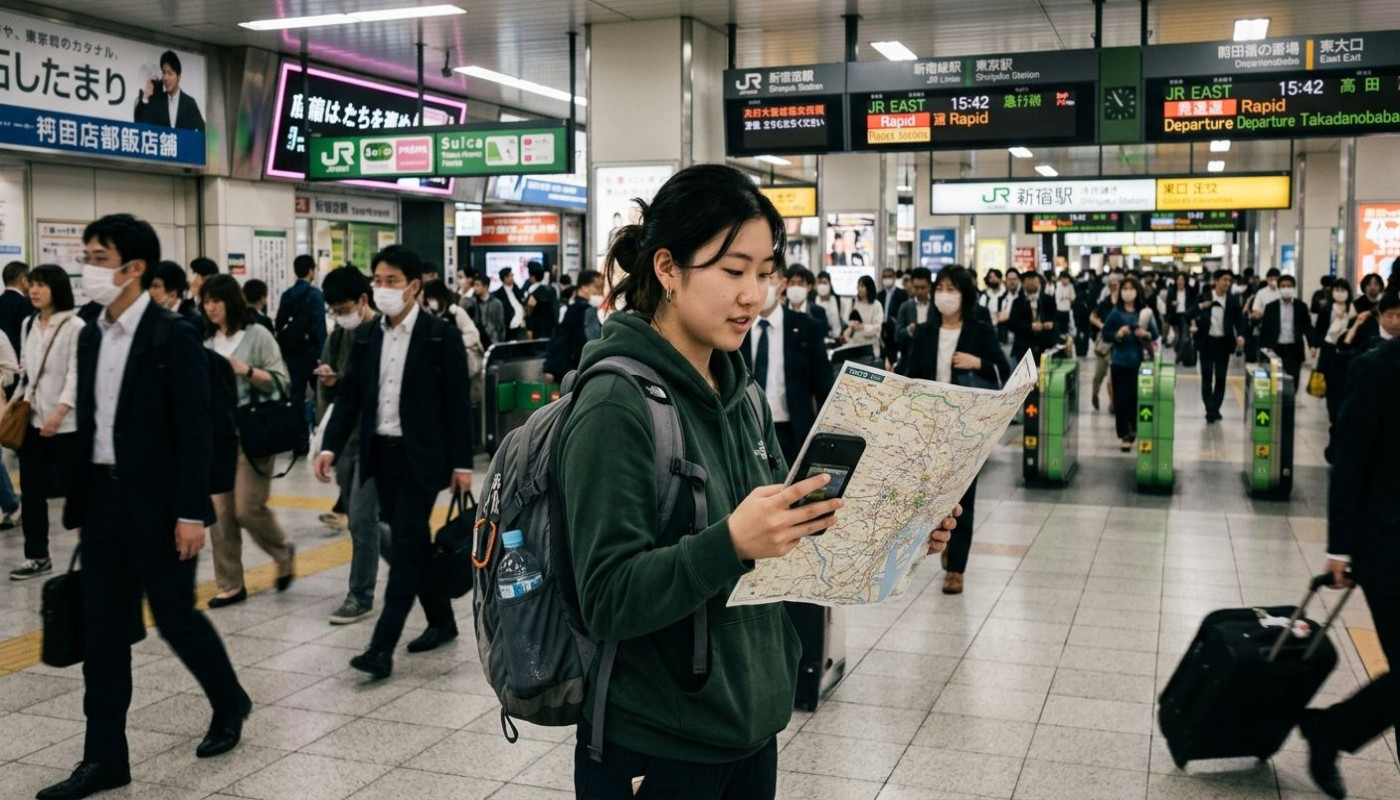
Mastering the navigation of these interconnected transit systems involves familiarity with route maps, color-coded line indicators, and bilingual signage. According to leading transportation experts, efficiently reading timetables means noting departure times and platform numbers, as Japanese schedules are strictly maintained. Maps and real-time information boards display connections, upcoming stops, and transfer points, which is particularly helpful for those using Japan transit guide resources. For seamless movement between trains, subways, and buses, travelers should ensure their IC card is charged and tapped at entry and exit gates. Comprehensive resources such as Japan Atlas offer detailed information on routes, timetables, and fare structures, supporting both new and seasoned riders in navigating the nation's intricate networks.
Mastering ticketing methods
Navigating Japan’s extensive public transit system starts with understanding the range of ticketing options on offer. Travelers can select from single-use Japan train tickets, ideal for occasional rides, Japanese subway passes catering to daily commuters or tourists exploring multiple destinations in a day, and long-term Japan travel pass solutions such as the popular Japan Rail Pass for cross-country journeys. Single-use tickets are suitable for those with fixed plans, while day passes save money and time for visitors making several trips within 24 hours. Long-term passes provide unbeatable value for extended stays or frequent intercity travel. The process of how to buy train tickets in Japan is streamlined through Japan ticket machines located in every station; these machines support multi-language interfaces and provide both paper tickets and reloadable IC cards.
Automatic fare collection systems have revolutionized the user experience, enabling quick entry and exit with a simple card tap. An expert in fare systems would point out that purchasing a reloadable IC card, such as Suica or Pasmo, offers unmatched convenience—these cards are easily recharged at ticket vending machines or convenience stores, and can be used across most forms of public transport, including trains, subways, and buses. The machines accept cash and, increasingly, major credit cards, making access straightforward for international visitors. Whether choosing a Japan travel pass for extensive exploration or single tickets for local trips, understanding the array of products and the seamless ticketing technology ensures travelers can move through Japan’s cities with the confidence of a local.
Navigating transport etiquette
Japan transportation etiquette is shaped by a deep respect for social norms and a collective awareness of public space. When boarding trains or buses, passengers are expected to queue patiently, aligning themselves in orderly lines marked on station platforms. This structured approach demonstrates not just efficiency but also mutual respect among commuters. Silence is highly valued, and phone conversations are discouraged within carriages, while mobile devices are kept on silent mode to minimize disturbance. Japanese train manners also dictate that priority seating should be reserved for the elderly, disabled, pregnant women, and travelers with small children; even if these seats are unoccupied, it is customary for others to avoid them out of consideration. This strong sense of shared responsibility and decorum can be attributed to longstanding social norms embedded in Japan public transport culture.
Dr. Kenji Yamada, a respected cultural anthropologist, explains that these Japanese subway rules are not merely polite suggestions but represent deeper cultural expectations. He highlights that understanding how to behave on Japanese trains offers insight into the collective values of harmony, humility, and mindfulness. Even during peak hours, commuters strive to minimize inconvenience to others, keeping bags off seats and maintaining personal space as much as possible. These subtle behaviors distinguish Japan’s public transit from that of many other countries, offering visitors a unique window into the national character. Observing these unwritten rules allows travelers to blend seamlessly into the daily rhythm of urban life across Japan.
Handling peak hours and crowds
Japan rush hour trains are notorious for their density, especially in metropolitan areas like Tokyo and Osaka. The most congested periods typically occur between 7:30 and 9:30 in the morning, and again from 5:00 to 8:00 in the evening, aligning with standard work and school schedules. When considering how crowded are Japanese trains, it is common to experience packed conditions where standing shoulder-to-shoulder is the norm. For visitors, understanding Japan peak travel times is vital to minimizing discomfort. A senior transit operations manager recommends targeting the first or last train cars, as these tend to be less crowded compared to those in the middle, which are closest to station exits and therefore fill up fastest.
Effective passenger flow management ensures efficient boarding and alighting during these crowded periods. To navigate like a local, stand patiently in designated lines on the platform and allow disembarking passengers to exit fully before boarding. Japanese train crowd tips include avoiding large bags, remaining quiet, and moving quickly once doors open to keep the flow steady. For optimal Japan commuter advice, consult station signage that often indicates which carriages are typically less packed, and consider travel outside peak hours when possible to experience a more relaxed journey.
Making seamless transfers
Switching between different train lines, subways, and buses in Japan can feel daunting, but understanding the process transforms the journey into an efficient routine. Transfer stations Japan are designed for smooth intermodal transfer, with clear, color-coded signage and numbered exits guiding travelers toward connecting lines or bus terminals. Doors and escalators are usually positioned to facilitate straightforward movement between platforms, and overhead LCD displays in multiple languages provide real-time updates on departures and boarding locations. Japanese subway transfer tips include watching for the transfer icons displayed on station maps and following the shortest marked route, often indicated by arrows and colored floor lines. When considering how to transfer trains in Japan, it is helpful to use IC cards like Suica or Pasmo, which allow quick touch-and-go access, eliminating the need to purchase new tickets when changing trains Japan. In terms of buses, the Japan bus transfer guide suggests noting the unique bus numbers and using platform information boards at major hubs to locate the correct stand for onward travel. According to renowned urban mobility planner Hiroshi Nakamura, successful intermodal transfer relies on pre-planning transit routes, understanding local etiquette such as queuing, and utilizing mobile apps for up-to-date platform changes and transfer times, ensuring a seamless and time-saving experience across Japan’s intricate public transportation network.
On the same subject
How Ethical Tourism Enhances Your Cultural Safari Experience?
Exploring The Renaissance Of Urban Culinary Districts
